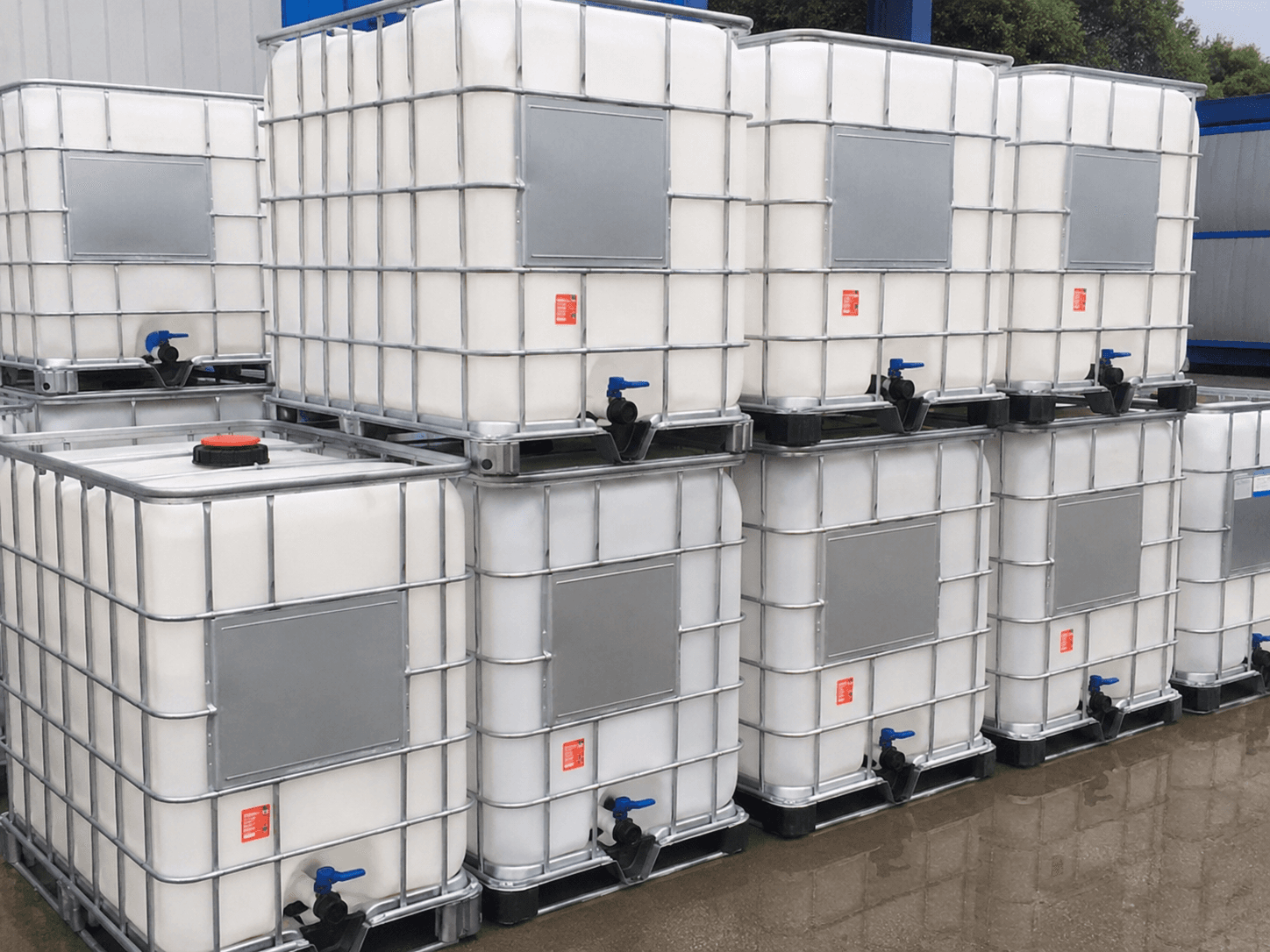
There is no FDA stamp on the side of an IBC tote. "Food-grade" in the IBC market is a chain-of-custody claim, not a material certification — and it matters to know the difference.
The material is almost never the problem
Standard HDPE bottle resin used in IBC totes is food-contact compliant by default. The base material meets FDA 21 CFR 177.1520 for repeat use in contact with food. The issue is not what the bottle is made of — it is what was in it before.
What "food-grade" means when we say it
When we sell a tote as food-grade, we mean three specific things:
- The tote has been hot-water washed in our wash bay using a food-safe detergent.
- The wash carries a batch number, time stamp, water temperature record, and operator initials.
- The prior contents are documented — and if the prior contents were not themselves food-grade, the tote does not get the food-grade designation, no matter how thoroughly we clean it.
The "even if you clean it" rule
Even an aggressively-cleaned tote that previously held a non-food substance does not become food-grade. This is the rule most yards fudge on. We do not.
If the prior product was paint thinner, no amount of detergent makes that tote food-grade. We will recondition it for industrial reuse — but we will not market it as food-grade.
What to ask for
When you submit a quote request and food contact is in the future of the tote, say so explicitly. Ask for:
- Wash record (batch number, date, water temperature, detergent type)
- Prior contents declaration
- Pallet type (composite preferred for food)
- Date the wash was completed (recency matters)
If your auditor needs more, ask early — we can usually provide it, but lead time helps.